
5 treatments for younger-looking hands
13 August 2025
By Dr Sophie Shotter
When we think about signs of ageing, the face often gets all the attention, but your hands can be just as revealing. In fact, the skin on your hands is thinner, more exposed, and often less protected than your face, making it particularly vulnerable to environmental damage, volume loss, and textural changes. From sun exposure and frequent washing to general collagen depletion, hands can start to look older than you feel far sooner than expected.
The good news is that there’s now a wide range of non-surgical treatments that can help restore volume, even tone, and improve skin quality, making your hands look as refreshed and radiant as the rest of you. Here are five treatments I often recommend in clinic to rejuvenate hands in a way that’s natural, subtle, and long-lasting.
Profhilo: Deep hydration and elasticity boost
Profhilo is one of the simplest yet most effective ways to improve the skin quality on the hands. Unlike traditional dermal fillers, Profhilo isn’t used to add volume or structure, it’s an injectable hyaluronic acid that spreads beneath the skin and stimulates hydration and collagen production. For hands that are starting to look crepey, dry, or wrinkled, Profhilo can improve skin texture and elasticity, giving a smoother, more hydrated appearance.
It’s a great option for anyone in the early stages of hand ageing or those who want a boost in skin quality without altering the shape or structure of their hands. A typical course includes two treatments, spaced about a month apart, with results continuing to improve over time.
HArmonyCa or Lenisna: Restoring volume and structure
For more advanced ageing, where volume loss is more obvious and veins and tendons start to look more prominent, biostimulatory injectables like HArmonyCa or Lenisna offer excellent results. These treatments do more than just replace lost volume, they also stimulate your skin to produce more collagen over time, improving both firmness and density in the treated area.
HArmonyCa contains calcium hydroxylapatite and gives instant volume with the added benefit of long-term skin regeneration. Lenisna, one of the newer biostimulators I use in clinic, has a lighter consistency and is particularly good for delicate areas like the backs of the hands. Over time, both treatments lead to natural-looking improvements without puffiness or heaviness.
Polynucleotides: Regeneration from within
Polynucleotides are an exciting addition to the regenerative aesthetics space. These molecules, derived from salmon DNA, act as cellular messengers, repairing tissue, reducing inflammation, and stimulating fibroblasts to produce more collagen and elastin. When used on the hands, polynucleotides can help restore the skin’s resilience, reduce fine lines, and improve hydration and tone.
What I love about polynucleotides is that they work with your body’s own regenerative processes. Results build gradually, and the skin starts to behave more like it did years earlier, without altering shape. It’s especially useful for those who are starting to notice textural changes but aren’t quite ready for volumising injectables.
Laser and light-based treatments: tackling pigmentation and tone
One of the most common giveaways of ageing hands is sun damage – brown spots, uneven tone, and dullness caused by years of UV exposure. Laser treatments or IPL (intense pulsed light) can be incredibly effective at clearing pigmentation and restoring brightness to the skin.
These treatments target melanin in the skin to lift sun spots, stimulate collagen, and improve overall tone. They’re often combined with other therapies to give a full-spectrum rejuvenation effect, treating both the deeper structures and the surface. As always, sun protection afterwards is non-negotiable to maintain the results.
Medical-grade skincare: your foundation for long-term results
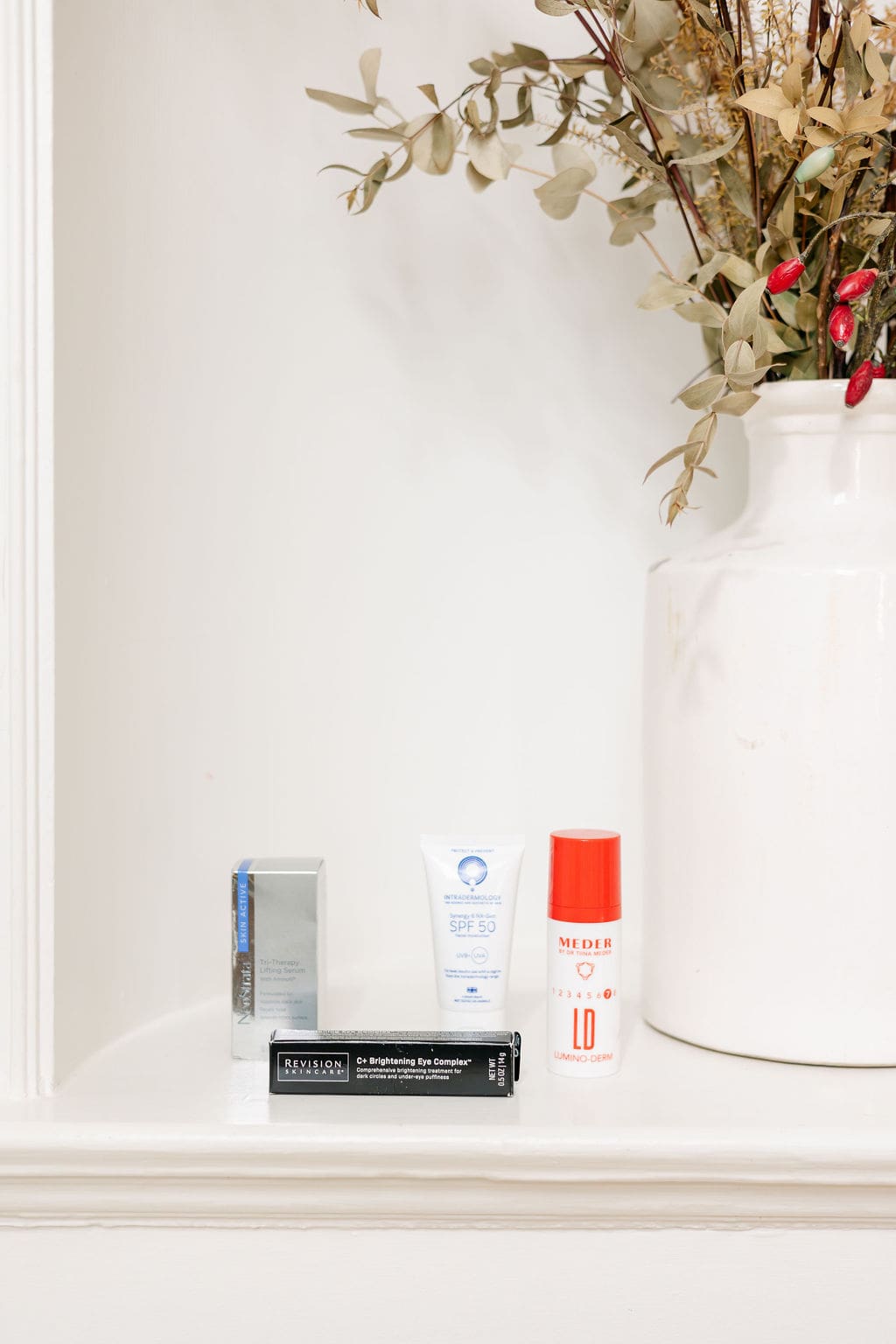
As with the face, hands benefit enormously from consistent at-home care. Medical-grade skincare containing ingredients like retinoids, vitamin C, and growth factors can help support collagen production, brighten tone, and improve hydration over time. Using a daily SPF on the hands is perhaps the most important step you can take to prevent further damage.
In clinic, I often build bespoke skincare routines for the hands alongside in-clinic treatments, to ensure that improvements are maintained and results are maximised over time.
Why treating your hands matters
Your hands are constantly on show, and they often age faster than the face because we don’t tend to protect or treat them in the same way. But with a tailored, regenerative approach, it’s possible to dramatically improve how they look and feel, helping them match the rest of you.
If you’re unsure which treatment is best for you, I’d always recommend starting with a consultation. We’ll take a close look at your skin, discuss your goals, and create a plan that suits both your lifestyle and the current condition of your hands.
If you’d like to learn more or to understand the right options for you, click here to enquire or to book a consultation with an expert.
